What to Know Before Scheduling a Tree Removal
There is a moment every homeowner in Volusia County knows well. You step outside after a storm or a dry spell, and you notice a crack running down the trunk of that old oak near the driveway. Or maybe a branch has been hanging lower each season, scraping the roof shingles. The decision to take a tree down is rarely an easy one. Trees provide shade, privacy, and a sense of permanence around a property. But when they become a hazard or start interfering with structures, the responsible choice is to act before nature makes the decision for you.
I have spent years working around trees in this part of Florida, and I have seen what happens when people wait too long. A healthy tree can be a beautiful asset. A dying or poorly positioned one can turn into a liability fast. The key is knowing when tree removal is the right call and how to approach the job so it goes smoothly and safely.
Recognizing the Signs That a Tree Needs to Come Down
Not every tree that looks a little rough needs to go. Some can be saved with proper trimming or cabling. But there are clear indicators that a tree has passed the point of no return. The first thing I look for is the trunk. If you see a large vertical crack running down the main stem, especially one that goes deep into the wood, that tree is structurally compromised. Wind or even a heavy rain can cause it to split.
Another sign is leaning. A tree that suddenly leans after a storm may have root damage. Even if it looks stable, the roots might be torn underground. Over time, that lean will get worse. Fungus growing at the base of the trunk is another red flag. Mushrooms or conks on the bark indicate internal decay. That rot can extend far up into the heartwood, making the tree weak even if the canopy still looks green.
Dead branches are easy to spot, but pay attention to where they are. A tree shedding large limbs from the top of the canopy is often dying from the crown down. That is a slow process, but it is usually irreversible. Finally, consider the tree's location. If it is too close to the house, the garage, or the power line, even a healthy tree can become a problem as it grows. Roots can undermine foundations, and limbs can damage roofs during a storm.
The Difference Between a DIY Job and Professional Work
I have met plenty of handy folks who think they can handle tree removal with a chainsaw and a pickup truck. And sometimes, for a small tree in an open field, that works fine. But for anything larger than about eight inches in diameter or any tree near a structure, the risks multiply fast. A chainsaw kickback, a limb falling the wrong way, or a ladder slipping on wet ground can turn a weekend project into a hospital visit.
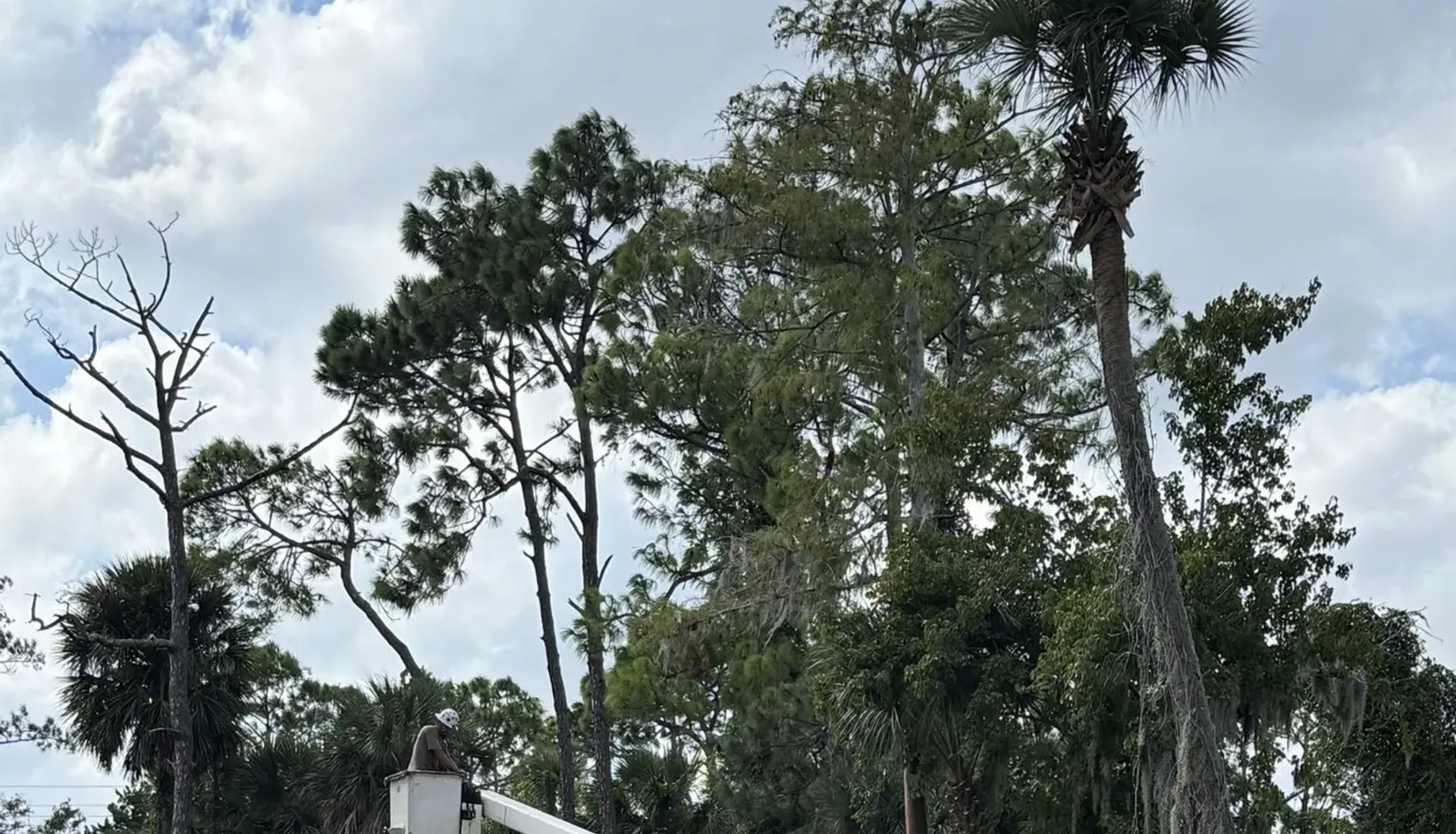
Professional tree removal crews bring more than just bigger saws. They understand how trees behave under tension. A branch that is hung up on another branch can whip back with tremendous force. A trunk that is leaning against a building requires careful cutting and rigging to bring it down in pieces without causing damage. They also have the right equipment: cranes, bucket trucks, and stump grinders that make the job efficient and safe.
There is also the matter of disposal. After a tree comes down, you are left with logs, branches, and a stump. Hauling that debris to a landfill or chipping it yourself takes time and effort. A professional crew handles all of that as part of the service. They can also grind the stump below grade so you can plant grass or a new tree in that spot.
Timing and Permits in Volusia County
Florida has its own set of rules when it comes to tree removal. In Volusia County, regulations vary by municipality. Some cities require a permit before you can remove a tree above a certain size, especially if it is a protected species like a live oak or a sabal palm. Failing to get the proper permit can result in fines or even requirements to plant replacement trees.
Even if a permit is not required, it is smart to check with your local code enforcement office. They can tell you if there are any restrictions on your property. I have seen homeowners get halfway through a removal only to be stopped by a city inspector. That creates delays and extra costs.
Timing also matters. The best time for tree removal is during the dry season, typically from late fall through early spring. The ground is firmer, which makes it easier for heavy equipment to access the tree without tearing up the lawn. The weather is also more predictable, which matters when you are working with cranes and elevated platforms. Emergency removals after a hurricane are a different story. Those happen when they happen, but if you have a tree that is already showing signs of decline, do not wait for a storm to force the issue.
What Happens During the Process
A typical tree removal job starts with an assessment. The crew walks the property, looks at the tree's lean, checks for nearby structures, and decides on the safest approach. For a tree that is close to a house, they often rig ropes to guide each section as it is cut. They work from the top down, removing branches first, then cutting the trunk in sections. This controlled dismantling prevents large pieces from falling onto anything below.
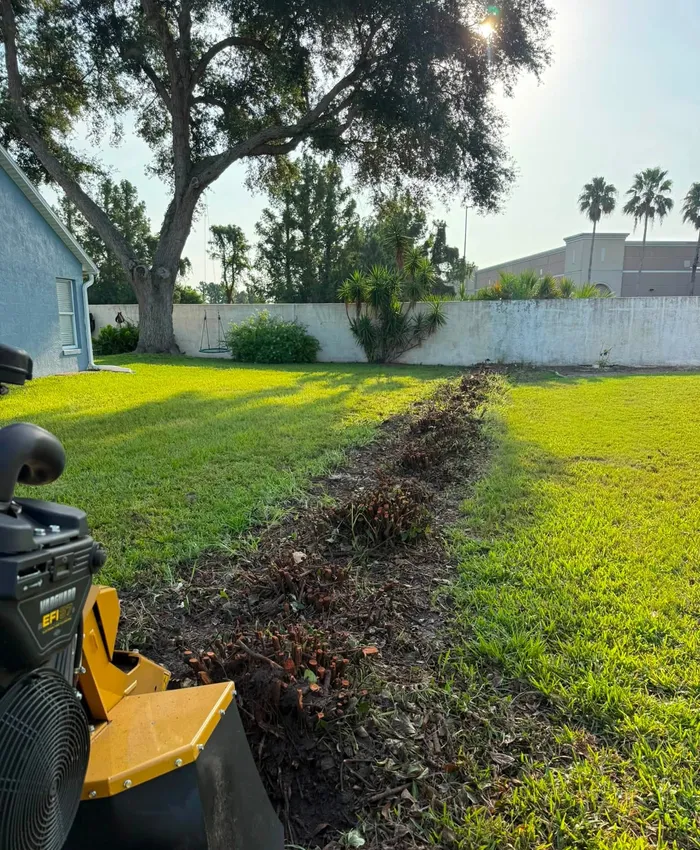
Once the tree is down, the crew cuts the trunk into manageable logs. If you want firewood, many companies will leave the logs cut to length for you. Otherwise, they haul everything away. Stump grinding usually happens afterward. A stump grinder is a powerful machine that chews the stump down to about six to twelve inches below the surface. That leaves a hole you can fill with topsoil and seed.
The whole process for a medium-sized tree usually takes a few hours. A large oak with multiple trunks can take a full day. You do not need to be home during the work, but someone should be available to grant access and answer questions if the crew needs to move cars or outdoor furniture.
Connect with us on YouTube.
Cost Factors and What to Expect
Prices for tree removal vary widely based on the size of the tree, its location, and the complexity of the job. A small tree in an open yard might cost a few hundred dollars. A large tree overhanging a roof can run several thousand. The main cost drivers are the equipment needed, the number of crew members, and the disposal fees.
I always recommend getting at least three written estimates. Look for companies that carry liability insurance and workers' compensation. A cheap quote from an uninsured operator can end up costing you more if something goes wrong. Also ask about stump grinding and cleanup. Some quotes include those, others charge extra.
Keep in mind that emergency service after a storm will cost more than a scheduled removal. That is just the reality of demand. If you can plan ahead, you save money and stress.
After the Tree Is Gone
Once the tree is removed and the stump is ground, you have a blank space in your landscape. Some homeowners choose to plant a new tree, ideally a species that stays smaller and is better suited to the location. Others prefer to seed the area with grass or create a garden bed. The important thing is to fill the hole left by the stump and level the ground so you do not have a tripping hazard.
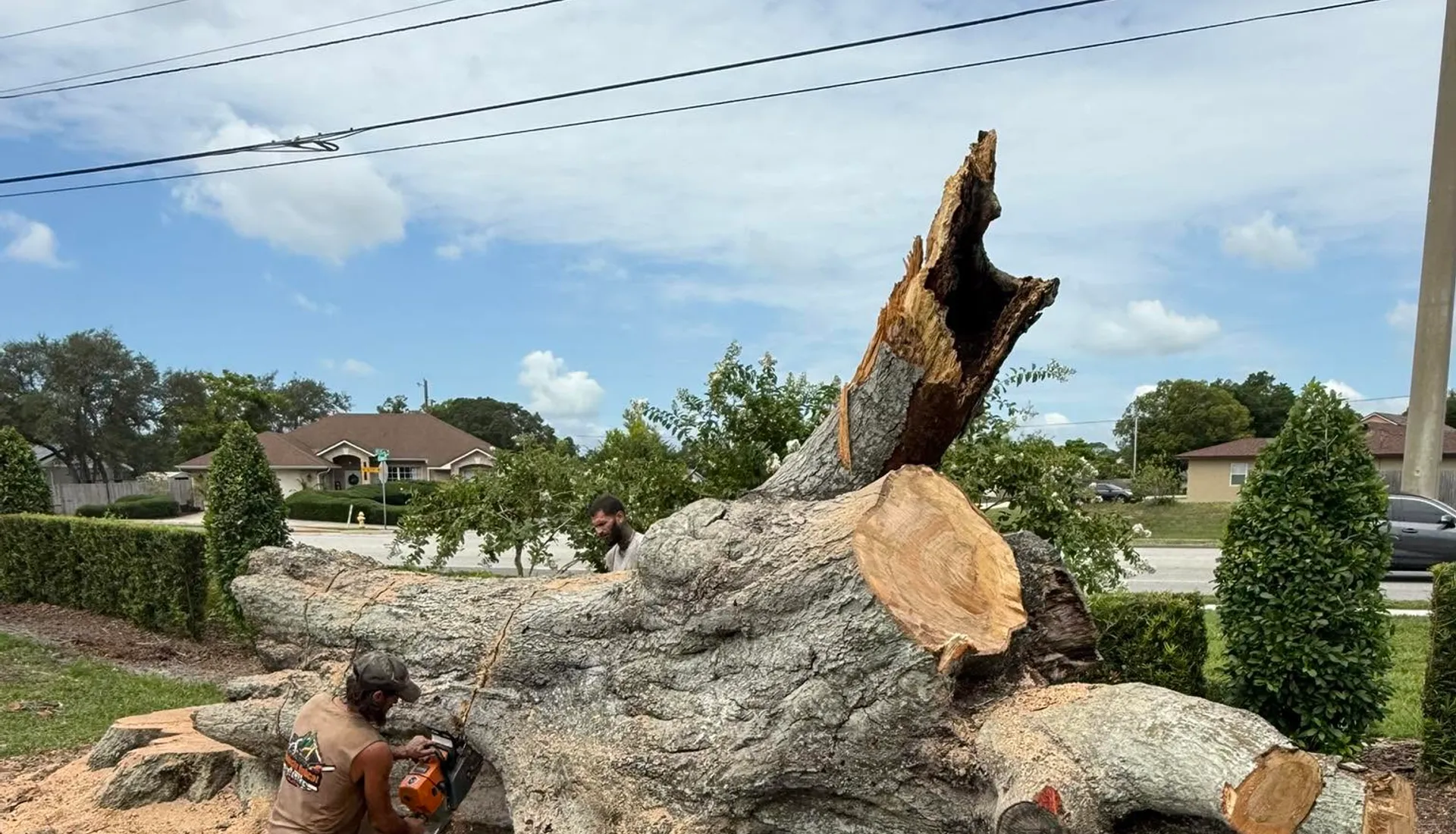
If the tree was providing shade, you may notice that areas of your yard or house get more sun now. That can be a good thing if you want a vegetable garden, but it might mean your air conditioning works harder in the summer. Plan accordingly.
Taking care of a problematic tree early can prevent damage to your home, your car, or your family. It is one of those home maintenance tasks that does not get attention until it becomes urgent, but a little foresight goes a long way.
For residents of Volusia County who need professional help with tree removal, trimming, stump grinding, or emergency services, Volusia Bobcat & Tree Service, located at 210 Valencia Rd, DeBary, FL 32713, USA, can be reached at +1 386-675-7898. They offer the kind of locally rooted expertise that makes a tough job feel straightforward.